

Case 1: EU Supermarket Silicone Kitchenware Seized by Customs
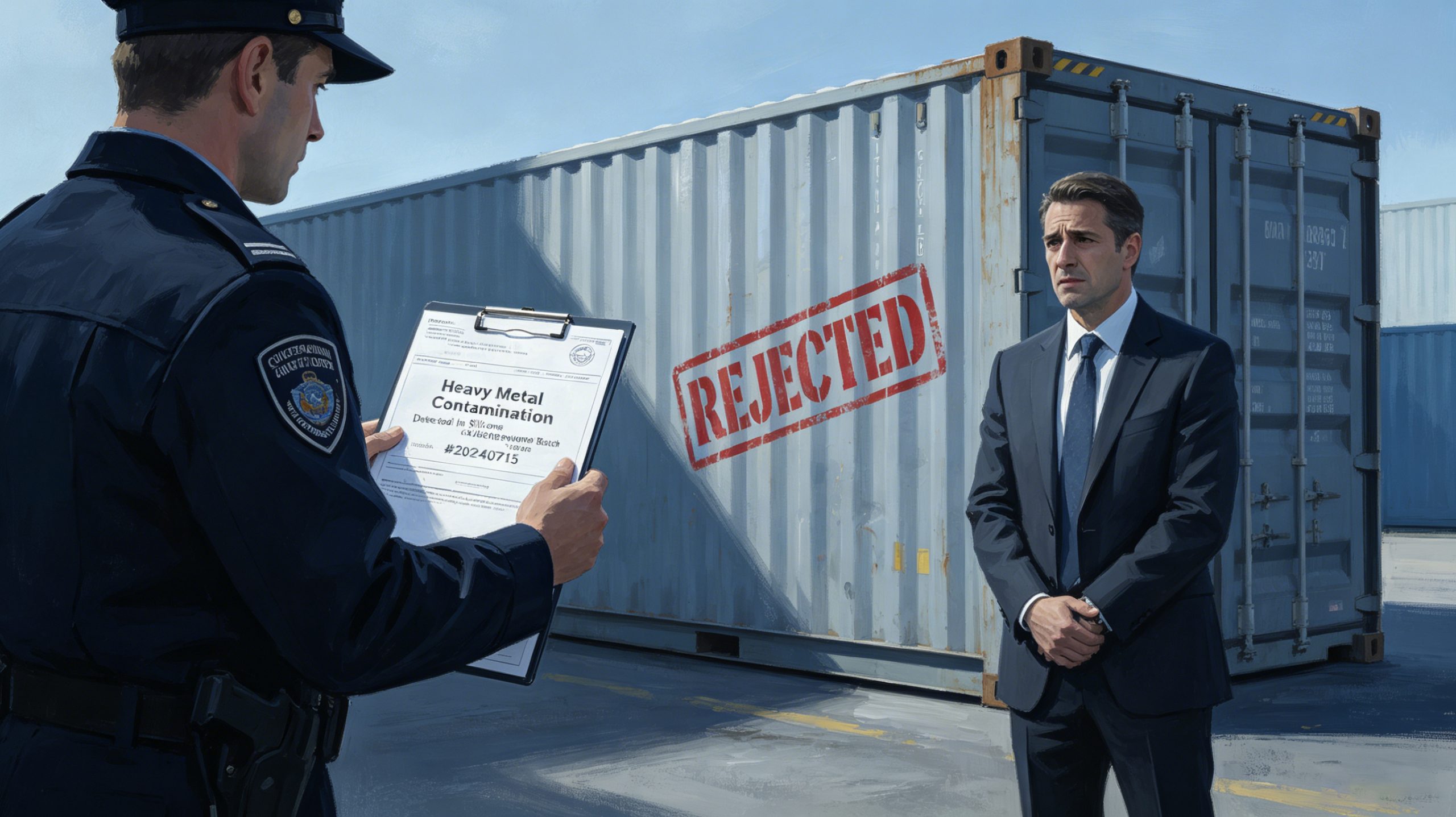
- Detailed Explanation: A large German home goods chain purchased silicone spatulas and oil brushes. They chose a small factory with an extremely low price, which provided forged LFGB food contact certification. When the full container arrived at Hamburg Customs for inspection, it was found that the material exceded heavy metal limits. The entire container was returned to China, resulting in combined costs of 32,000 Euros for shipping, detention fees, and destruction penalties. Furthermore, the customer’s offline store pre-sales were completely canceled, losing the entire year’s kitchenware procurement share.
Solutions:
- Authentication Verification: Require suppliers to provide original copies of authoritative certifications such as LFGB and FDA, and verify their authenticity through official channels or third-party agencies.
- Material Testing: Clearly stipulate in the contract that a material test report issued by an authoritative third-party testing agency must be provided and accompany the goods.
- Risk Aversion: Cooperate with reputable suppliers with whom you have long-term experience. Do not select new, unknown suppliers solely based on low prices.
- Contractual Constraints: Include strict liability clauses in the procurement contract. For example, all losses caused by the supplier providing false documents or product quality issues shall be borne by the supplier.